
Education & Career, Article
EFP Alumni seeks to become a lifelong professional home for graduates of accredited programmes
15 December 2025
Launched at EuroPerio9 in Amsterdam in 2018, EFP Alumni offers a way for graduates of the EFP-accredited programmes in periodontology to remain in contact with each other as they develop their professional clinical and scientific careers. Ana Castro, elected as the EFP Alumni chair earlier this year, explains how she got involved and outlines her vision for the association.
From the moment I finished my postgraduate training, I felt that one of the most valuable aspects of being part of the EFP community was the network of colleagues it created across Europe and beyond. When the EFP Alumni project was launched, I immediately recognized its potential to strengthen those bonds, not only between graduates but also between different generations of periodontists trained within the EFP framework.
My first contact with EFP Alumni was at EuroPerio9 in Amsterdam in 2018, when the initiative was launched. The energy and enthusiasm at that meeting were truly inspiring and it was clear that the alumni network had the potential to become a cornerstone of the EFP community. I wanted to contribute to building that sense of continuity and belonging, so joining the committee—which I did during EuroPerio10 in Copenhagen 2022—was a natural step. Since then, I have remained involved in different roles, from supporting initial organisational efforts to helping shape our strategy and communication as the network matured. It has been deeply rewarding to see how our alumni community continues to grow and connect professionals who share the same educational values and clinical standards.
EFP Alumni has evolved from a simple idea (keeping graduates from EFP-accredited programmes connected) into a structured and active international community. Our alumni activities have become a regular feature at EuroPerio congresses, and we aim to have representation at all EFP events. We now have a clear identity, a dedicated communication channel via the EFP Alumni newsletter. We have strengthened our collaboration with the programme directors, who play a vital role in introducing new graduates to the Alumni network and ensuring continuity between education and professional life. We also co-ordinate with the EFP executive committee and with other EFP committees—particularly those responsible for education, communications, and congress organisation—to ensure that Alumni activities complement the broader mission of the federation. This integrated approach helps us align our efforts and contribute meaningfully to the EFP’s overall goals.
Impact at EuroPerio
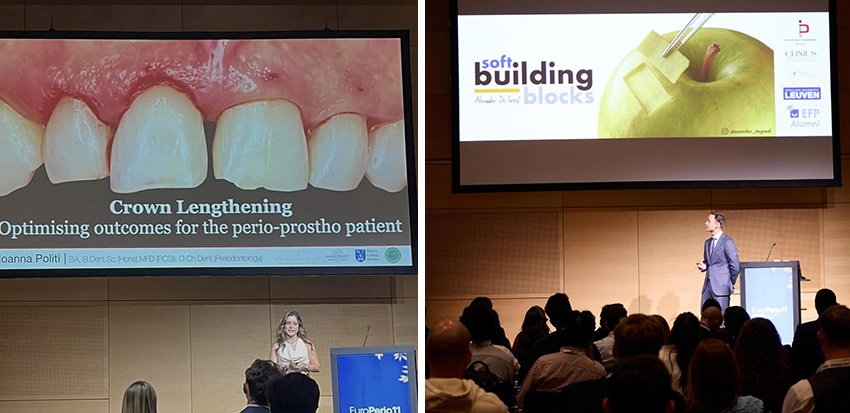
Among the high points, I would highlight the Alumni gatherings at EuroPerio meetings, which have become truly memorable occasions for reconnecting colleagues from around the world. At EuroPerio11 in Vienna last May, the EFP Alumni session provided a platform for five Alumni to present their research or clinical cases. The call for contributions resulted in more than 30 submissions from different parts of the network. It was very exciting to see so many Alumni eager to participate and contribute—a clear sign that our network is active, dynamic, and full of ideas.
Beyond EuroPerio, we are working to establish a clear and consistent communication channel with our Alumni community, so that information about opportunities, events, and initiatives can reach everyone effectively. We have been developing new ways to engage members digitally by launching the EFP Alumni newsletter in a refreshed format that places Alumni at the centre. In the latest edition, we highlight research conducted within EFP-accredited programmes and feature interviews with the new generation of EFP Alumni leaders, giving members a deeper look into current innovations, achievements, and career journeys within our community. As well as the newsletter, we plan to create a structured mentoring and career-support network that connects recent graduates with experienced clinicians and researchers.
While the EFP Alumni network has made significant progress, we continue to face challenges. One of the main ones is increasing registrations, as it can be difficult to reach the periodontists who have graduated from the EFP-accredited programmes, many of whom are now working in different countries and practice settings. Another challenge is ensuring that Alumni activities have a dedicated space within each EFP event. Given the diversity and scale of these meetings, this requires careful planning and co-ordination.
‘A lifelong professional home’
Membership of EFP Alumni is open to all periodontists who have graduated from an EFP-accredited postgraduate programme, as well as to members of the teaching faculty of those EFP-accredited programmes. Eligible individuals can simply complete the registration form on the EFP website to be included in the network and receive the newsletter and updates about Alumni activities.
Today, we have around 500 registered members. The potential membership base is significantly larger—more than 1,500 professionals—considering all the graduates and faculty members from the 24 accredited programmes. Our goal is to reach and engage as many of them as possible in the coming years.
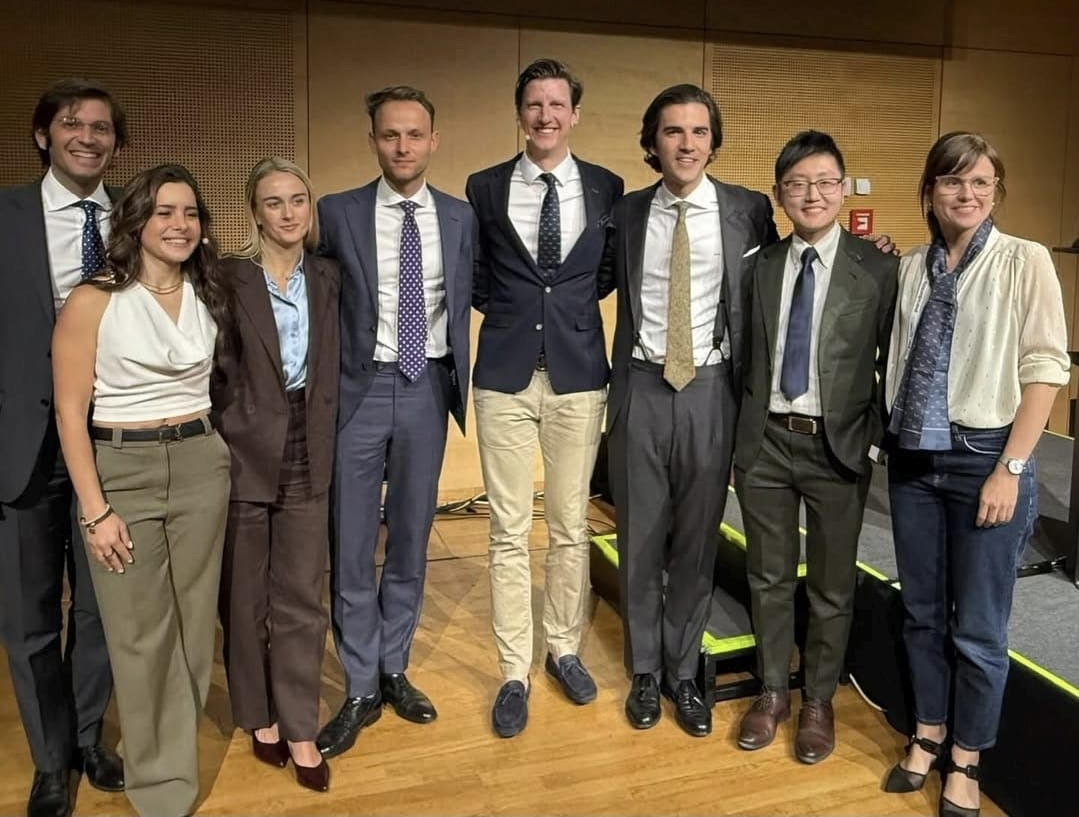
My vision is for EFP Alumni to serve as a lifelong professional home for everyone who has been trained within the EFP framework. It should be a dynamic network that supports professional growth, fosters collaboration, and helps maintain the high standards that define EFP-accredited education. I also see EFP Alumni as a bridge between past and future, connecting experienced specialists with younger colleagues and creating opportunities for mentorship, research, and innovation across borders.
Biography

Ana Castro obtained her degree in dental sciences at University of Barcelona (Spain) and graduated from the EFP-accredited programme in periodontology at KU Leuven (Belgium). She completed her PhD at the same university in 2021, investigating the regenerative potential of platelet concentrates in periodontal surgery. She is the clinical head of the Department of Periodontology at KU Leuven and has been actively involved in teaching and research on soft- and hard-tissue regeneration, with over 30 peer-reviewed publications.
EFP partners









Sign up to our newsletter
The EFP publishes a free monthtly email newsletter with the latest news about the federation's activities, its publications, and its campaigns.
