
Classification & Guidelines, Clinical & Translational Research, Article
How the EFP’s Perio Workshop has transformed clinical practice through evidence-based science
23 July 2026
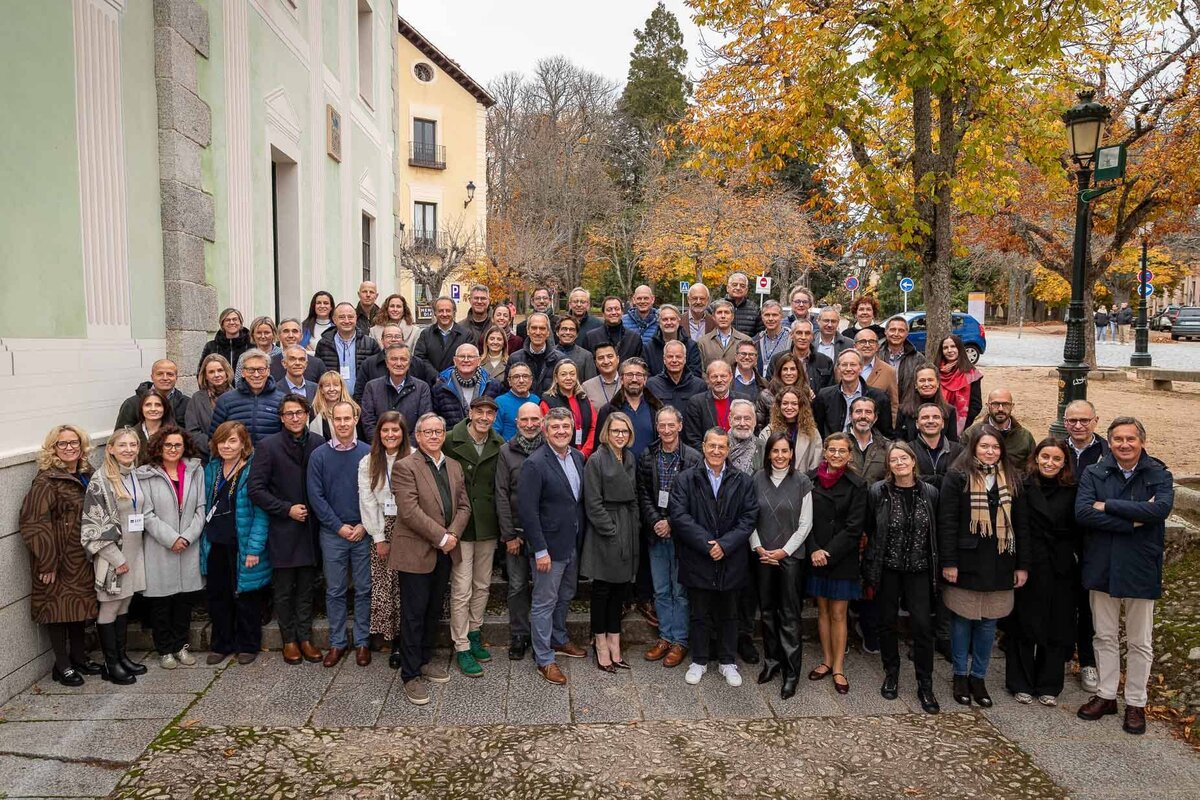
Over the last 23 years, the European Workshop on Periodontology has become a leading international meeting that annually brings together world-class periodontists and other experts to review the latest evidence-based science relevant to periodontology. The approach involves systematic reviews, specific working groups, and the development of consensus conclusions. In recent years, the focus has been on drawing up top-level clinical-practice guidelines, which are already having a big impact in everyday clinical practice. David Herrera and Elena Figuero, the workshop’s former and current chairs, describe its essential work.
David Herrera: ‘Rigorous scientific messages guide clinicians in providing better care to patients’
You inherited a well-established and well-regarded institution. How would you describe the contribution of your predecessors Niklaus Lang and Mariano Sanz, and what have you learned from them?
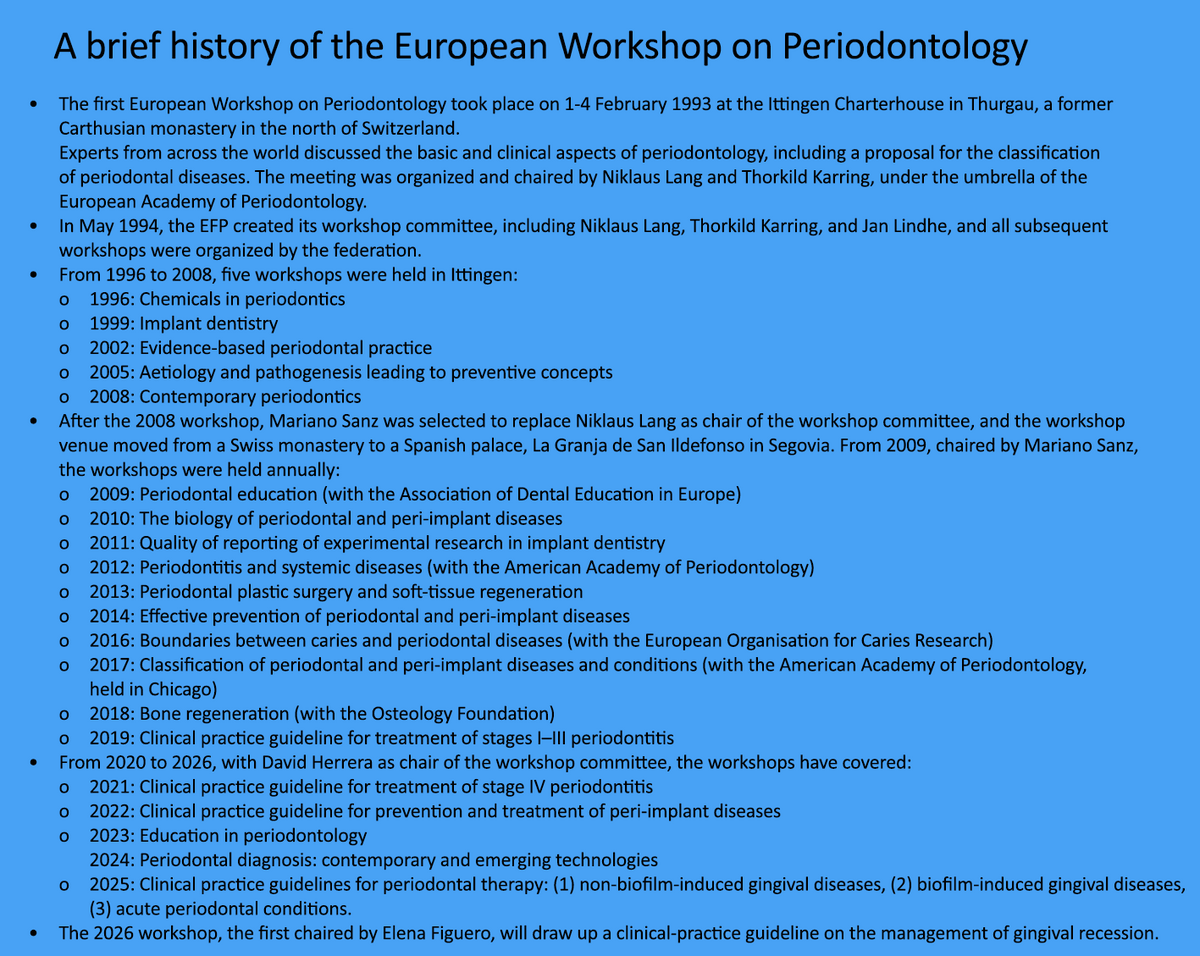
I attended the European Workshop on Periodontology for the first time in 2002, the fourth workshop, which was held in Ittingen (Switzerland) and chaired by Niklaus Lang. He was the founder of the workshop and, over 15 years, he hosted the first six workshops and was responsible for their gaining much prestige. He is, without doubt, the father of the European Workshop on Periodontology.
Mariano Sanz followed in his footsteps, maintaining the quality, the scientific level, and the collegiate approach, and taking things further in two ways: organizing the meetings on a yearly basis, and developing synergies with other institutions via joint workshops—the American Academy of Periodontology (AAP) in 2012, the Organisation for Caries Research (ORCA) in 2016, and the Osteology Foundation in 2018. This kind of collaboration continued during my period as chair of the EFP workshop committee.
Prof. Sanz also added smaller workshops, in collaboration with other healthcare organizations, co-ordinating the first two of these with the International Diabetes Federation (2017) and the World Heart Federation (2019). These mini-workshops—or “Focused Workshops”, as they are now called—address specific scientific topics that need to be discussed and analyse them together with experts from other organizations.
What makes the workshop so important and influential?
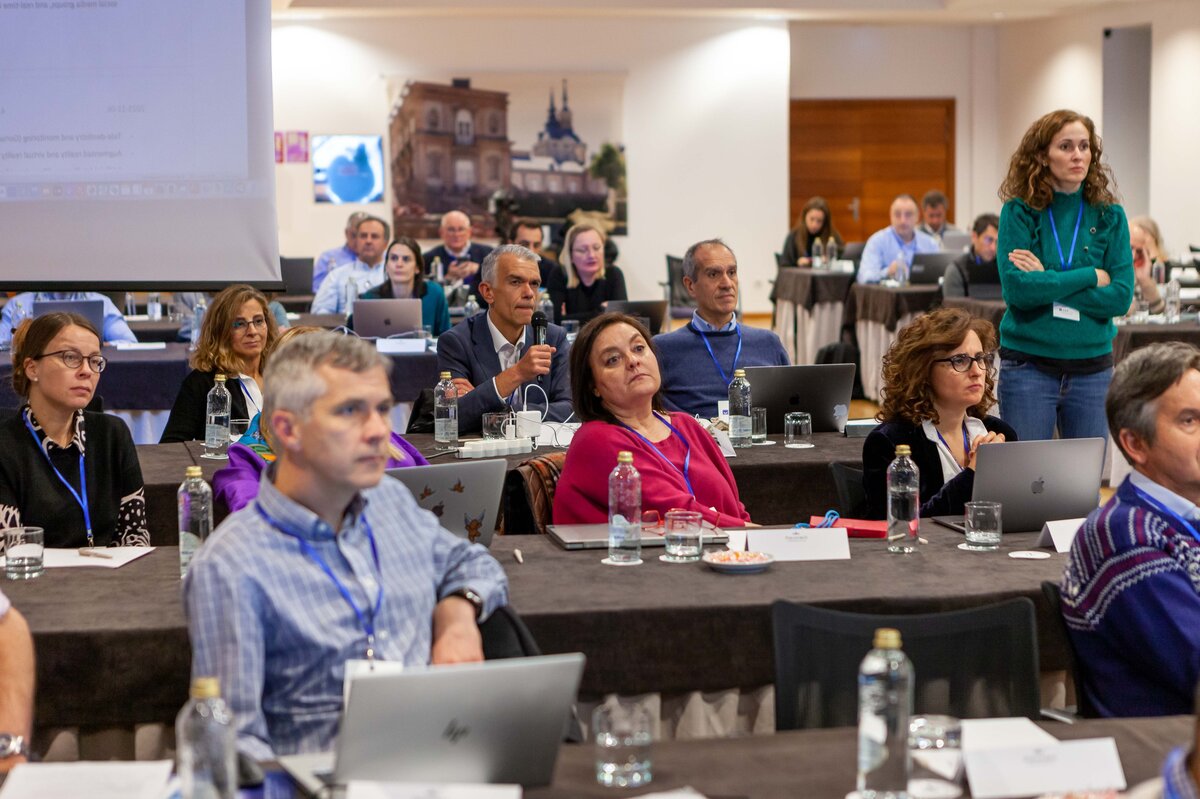
The prestige and reputation of the European Workshop on Periodontology, also known as Perio Workshop, derives mainly from its solid and rigorous scientific messages. Strong working-group leaders, surrounded by experts in different fields, interpret together the vast amount of scientific information to then guide clinicians on how to provide better care for patients.
This rigour was further strengthened by the publication of the workshops’ proceedings (since the fourth one, in 2002) in the EFP’s Journal of Clinical Periodontology, one of the top-ranked journals in dentistry. This means that review papers and consensus reports are peer-reviewed. Since 2002, most of the commissioned reviews have been prepared following high-level protocols for systematic reviews. Furthermore, since 2019 the workshops have become a global benchmark in developing top-level (S3) clinical-practice guidelines.
All this means that the annual meetings of the workshop, held in La Granja de San Ildefonso near Segovia in Spain, are simply unique.
How has the workshop evolved over the six years of your being chair of the workshop committee?
When I started, we were already in the transition between the “conventional” workshops—which developed consensus reports, usually one by each of the four working groups—to the workshops that have developed the clinical-practice guidelines, which are much more complicated from a methodological point of view. But we have learned a lot from them, and some of the learnings have been applied back to the conventional workshops, so that we are now more systematic in all processes.
In addition, over these six years, we have started the transition of having the workshop committee made up of the dream team of periodontology—the best and most prestigious names of European periodontology—to gradually include new names from the next generation. This has been a smooth and painless process, which bodes well for the future.
What have been the main challenges you have faced, and which has been the most challenging workshop so far?
I have found two major challenges during these six years:
- Developing clinical-practice guidelines is very demanding in terms of deadlines, and the in-person meeting is stressful because you need to finalize the process on time.
- The second challenge was the COVID-19 pandemic, which made it very difficult to organize the in-person meeting for the second guideline we developed (on the treatment of stage IV periodontitis). It was initially scheduled for November 2020, then postponed to July 2021, and then to November 2021, which was the only month in 2021 that was feasible.
What has been your experience of the workshops that have involved other organizations?
During these six years, we have worked with other organizations, such the Association for Dental Education in Europe (ADEE), and also with our commercial partners (Dentaid and Kenvue). Similarly, our Focused Workshops have involved collaborating with various organizations—family doctors, via WONCA Europe; the European Academy of Paediatric Dentistry; and the Spanish and Italian societies of periodontology)—and partners (Curasept, Colgate, Klockner).
Although there are always challenges, because of different approaches to science and differences in the way each organization works, the final results have been always very productive. We have learned a lot from family doctors, from paediatric dentists, and from the Italian and Spanish periodontists.
What have you learned from your six years as chair of the workshop?
By chairing five editions of the European Workshop on Periodontology and three Focused Workshops, I have learnt a lot of periodontal science and research methodology. But beside the learning, the most important knowledge has derived from meeting incredible people—scientists and academics from the periodontal world and other fields. And among that incredible group of people, within the European Workshop committee, it has been a privilege to work together with some of the most important figures in dentistry. I am particularly grateful to Tord Berglundh, Iain Chapple, Søren Jepsen, Moritz Kebschull, Panos N. Papapanou, Mariano Sanz, Anton Sculean, Maurizio S. Tonetti, and, more recently, Elena Figuero and Wim Teughels.
As well as the annual workshop, there have been a series of Focused Workshops—what is their role, how do they differ from the European Workshop, and what have they achieved?
Focused Workshops, previously called “mini-workshops”, were designed as smaller workshops with a more specific scope than the main European Workshop. In addition, they are always organized in cooperation with another scientific society. During Mariano Sanz’s time as workshop committee chair, two very influential focused workshops were organized to cover the association of periodontitis with diabetes (with the International Diabetes Federation, 2017) and with cardiovascular diseases (with the World Heart Federation, 2019). These workshops led to the creation of recommendations for oral-health professionals, medical professionals and pharmacists, and patients and the public.
As a continuation of those focused workshops, the one that closed the circle was organized together the WONCA Europe association of family doctors in 2022, which focused not only on the latest evidence regarding periodontal health and diabetes and cardiovascular diseases, but also on respiratory diseases.
Two additional focused workshops were organized in 2025: in January, on aesthetic and patient-based outcomes, together with Spanish and Italian societies of periodontology, and in March, with the European Academy of Paediatric Dentistry, focusing on periodontal diseases in children and adolescents.
The model of the focused workshops has proved to be very successful: a clearly defined topic, always in collaboration with a sister organization, and with the support of our EFP partners.
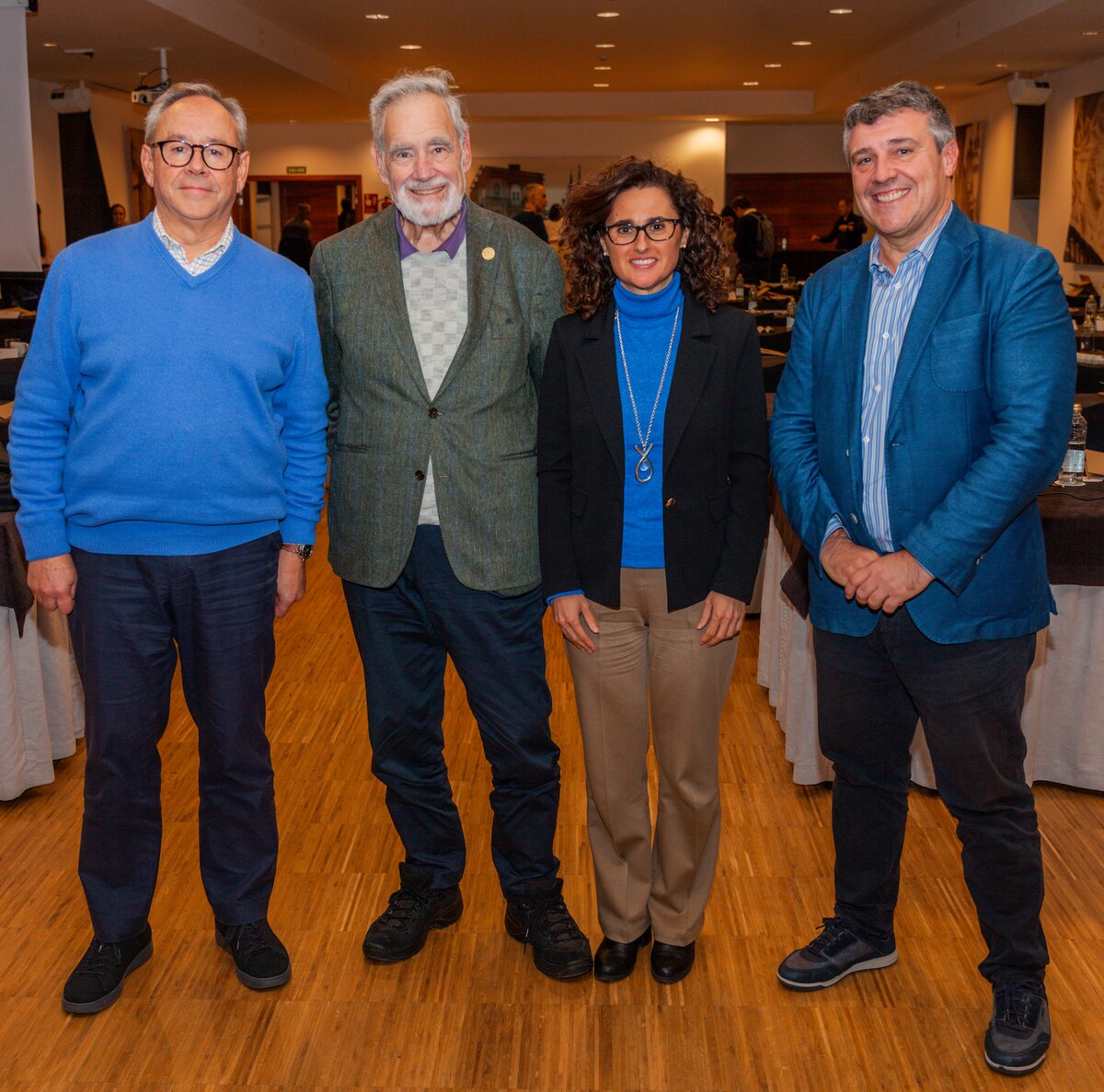
Elena Figuero: ‘My goal is to maintain this world-class level of methodological excellence’
What has been your own experience as a participant in the workshops and what have been the highlights for you?
For me, participating in the European Workshop on Periodontology has been one of the most rewarding and defining journeys of my professional and academic career. I first participated in 2010 (in the seventh workshop, on understanding the complexity of periodontal infections). Since then, my involvement has evolved deeply alongside my involvement with the EFP.
Over the years, I have had the privilege of contributing to 13 EFP workshops—serving across different capacities: first as a participant, then as a reviewer helping to analyse the evidence, and eventually moving into key strategic roles. A milestone for me was serving as an adviser to the 2019 workshop that led to the creation of the EFP’s first clinical-practice guideline (on the treatment of stages I-III periodontitis). That experience deeply highlighted the incredible level of responsibility, meticulous research, and consensus-building required to translate complex science into clinical guidelines that truly improve patient care worldwide.
Now, stepping into major strategic responsibilities within the EFP—having served as an ambassador for EuroPerio9 in Amsterdam (2018), treasurer of EuroPerio11 in Vienna (2025), and now the profound honour of serving as chair of the EFP workshop committee (2026–2029)—this journey feels complete, yet it is continuously exciting.
What are your plans for building on the legacy you have inherited? Do you have any changes in mind?
Inheriting the leadership of the EFP Workshop Committee is both an immense privilege and a profound responsibility. The global prestige of the European Workshops on Periodontology is the result of decades of visionary leadership:
- 1993-2008: Klaus Lang established the foundational, uncompromising scientific rigor of these workshops.
- 2009-2019: Mariano Sanz elevated them to a truly international scale, ensuring their clinical relevance worldwide.
- 2020-2026. David Herrera masterfully steered us into the modern era of S3-level evidence-based clinical guidelines, standardizing periodontal and peri-implant therapy globally.
My primary plan is not to deviate from this path, but to consolidate and build upon this extraordinary legacy. The S3-level guidelines are now the gold standard in dentistry, and my goal is to ensure that we maintain this world-class level of methodological excellence, while also adapting to new scientific and clinical horizons.
Therefore, while we will remain true to our core scientific values, we will try to incorporate key refinements and forward-looking changes to keep the workshops at the absolute forefront. These changes will include:
- Using new methodologies:for example, we are evaluating how to use artificial intelligence (AI) during the process of systematic reviews.
- Broadening stakeholder engagement: we are increasing the list of key stakeholders to participate in the consensus process, making it more global. This will ensure that the S3-level guidelines are not only biologically sound, but also highly practical and multidisciplinary.
- Fostering global dissemination: building on the foundations laid by previous chairs of the workshop committee, we will focus heavily on helping national societies adapt and implement these European guidelines locally, thereby bridging the gap between high-level research and daily clinical practice across different regions.
Achieving these goals will be possible only because of the exceptional team I have the honour of working with in the 2026–2029 workshop committee: Moritz Kebschull, the deputy chair, and David Herrera (secretary and my esteemed predecessor) provide unmatched continuity, leadership, and vision. We also benefit from the incredible expertise of Nikos Donos as the editor-in-chief of the Journal of Clinical Periodontology (JCP), ensuring that the science we produce meets the highest publishing standards. Furthermore, our committee members—Andreas Stavropoulos, Anton Sculean, Wim Teughels, and Maurizio Tonetti—are among the most respected and cited names in our field, bringing decades of clinical and research excellence to the table. We are also privileged to have direct strategic support from EFP president Mia Rakic and elected officer (and former secretary general) Nicola West.
Standing on the shoulders of giants like Klaus Lang, Mariano Sanz, and David Herrera, and supported by this committee, I am confident we will not only protect the legacy of the European Workshop on Periodontology but establish a highly successful and innovative new chapter.
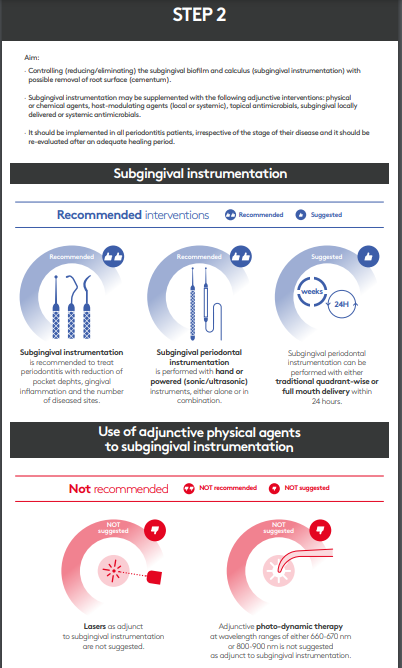
Describe the importance of the next workshop, which will draw up a guideline for periodontal therapy on mucogingival conditions around teeth.
The 22nd European Workshop on Periodontology, which will take place in November 2026, aims to draw up a S3-level clinical-practice guideline on the management of gingival recessions. Gingival recessions represent an incredibly prevalent clinical challenge worldwide, affecting oral health, aesthetics, and patients’ quality of life. Despite their frequency, clinical decision-making has historically varied widely.
The core of this workshop will be the production of the EFP’s seventh S3-level clinical practice guideline supported by a collection of commissioned systematic reviews. These reviews will systematically address gingival recessions from four perspectives:
- Epidemiology and outcomes: Natural history, risk factors, and the importance of gingival recessions, along with patient- and clinician-reported outcome measures of non-periodontitis-associated buccal gingival recessions.
- Conservative management: High-level evidence on the efficacy of non-surgical interventions for the treatment of RT1 and RT2 gingival recessions.
- Surgical management: Efficacy, indications, and adverse effects on the surgical treatment of both single and multiple adjacent recessions (RT1, RT2).
- Complex scenarios and adjunctive therapies: Evaluating specialized clinical challenges, such as the adjunctive effect of restorative procedures on root coverage, and advanced soft-tissue augmentation for severe RT3 recession defects.
Leading this 22nd European Workshop as chair is a profound honour, which represents the natural and exciting continuation of a life's work dedicated to periodontal science and the EFP family.
Biographies
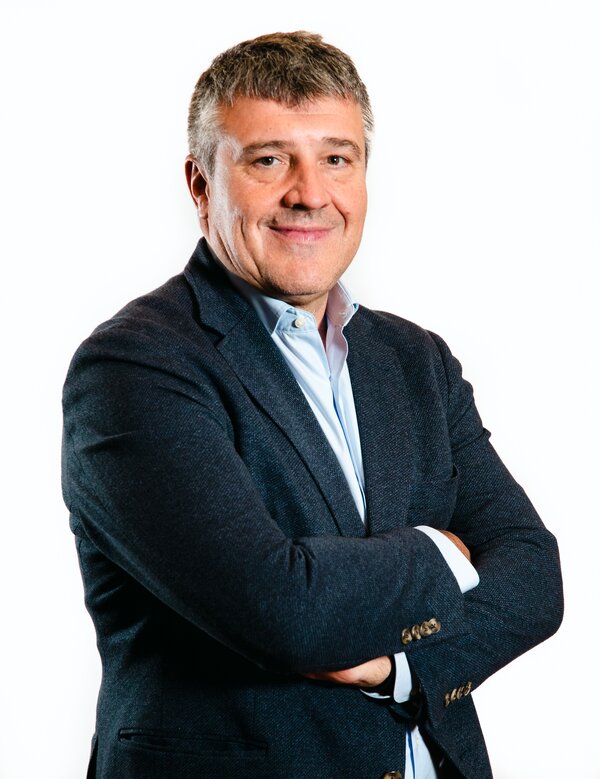
David Herrera is dean of the faculty of odontology and professor and chair of periodontology at the Complutense University of Madrid (UCM), Madrid, Spain, where he is also co-director of the EFP-accredited postgraduate programme in periodontology and co-director of the ETEP (Etiology and Therapy of Periodontal and Peri-implant Diseases) research group (UCM). He was chair of the EFP’s workshop committee (2020-2026) and a former president of SEPA (2013-2016).
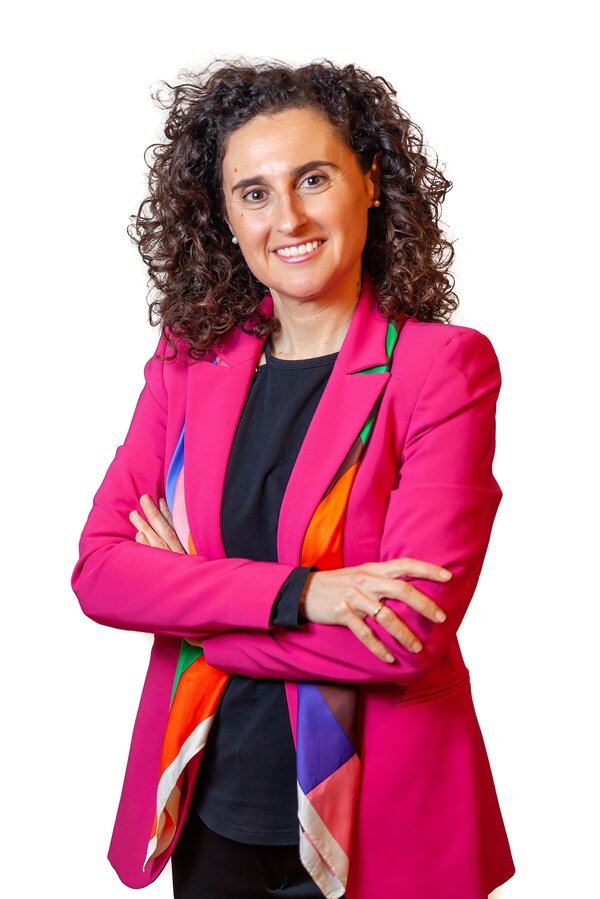
Elena Figuero is a full professor of periodontology at the Complutense University of Marid (UCM) where she is also associate dean for quality assurance and international affairs, director of postgraduate courses, and co-ordinator of the ETEP (Etiology and Therapy of Periodontal and Peri-implant Diseases) research group. She is chair of the EFP’s European Workshop committee (2026-29) and was treasurer of EuroPerio 11 in Vienna. She is an associate editor of the Journal of Clinical Periodntology and Clinical Oral Implants Research.
EFP partners








Sign up to our newsletter
The EFP publishes a free monthly email newsletter with the latest news about the federation's activities, its publications, and its campaigns.
