
Public health & Prevention, Systemic health, Article
A ‘circular’ influence: the relationship between periodontitis and chronic kidney disease and how to improve patient care
27 July 2026
Chronic kidney disease (CKD) is a non-communicable disease that, like other systemic diseases, has been linked to periodontitis. Periodontal treatment for patients with CKD is not only important but presents some specific challenges. Iain Chapple and Praveen Sharma, colleagues at the University of Birmingham in the UK, explain the scientific understanding, outline the best options for patient care and call for greater collaboration between periodontists and nephrologists.
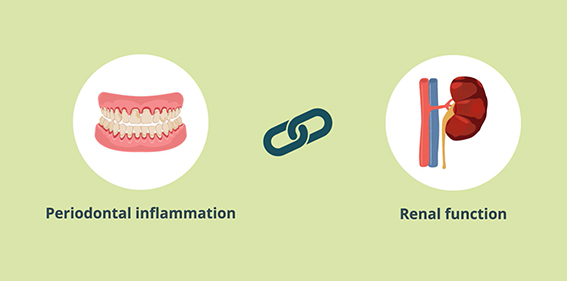
What the science tells us: ‘a circular relationship’
The links between periodontitis and systemic conditions such as diabetes and cardiovascular disease are well understood, but there is less awareness of the crucial connections between periodontal and kidney diseases.
The picture is complicated by the fact that many patients with kidney disease are multimorbid. Hyperglycaemia (in diabetes) and hypertension are big drivers of kidney disease, and they are also independently associated with periodontitis. On top of that, there are behavioural risk factors such as smoking that are common to both diseases.
However, we are learning more about the biological mechanisms that link periodontitis to chronic kidney disease and there appear to be four main ways whereby periodontal disease may contribute to kidney damage.
Periodontitis as an 'exposure' for chronic kidney disease
1. Acute phase response.
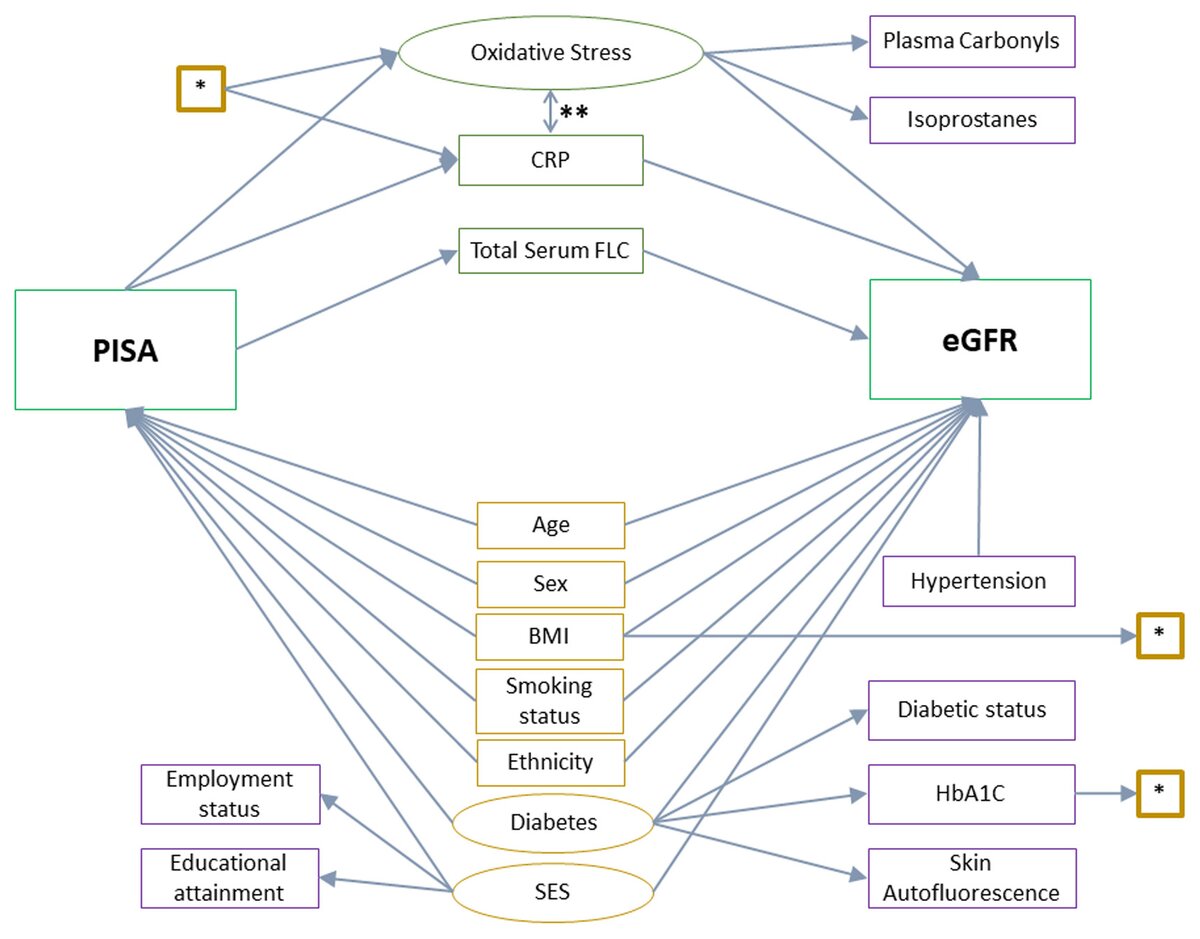
Periodontitis involves an ulcerated sulcular or pocket-lining epithelium, which means that bacteria can get into the bloodstream and stimulate an “acute phase response” in the liver. Periodontal bacteria stimulate the release of the cytokine IL-6 by blood monocytes and tissue macrophages and IL-6 in the bloodstream then triggers the production of C-reactive protein (CRP) by the liver. CRP interferes with the enzyme nitric oxide (NO) synthase in the vascular endothelium and blocks NO production in blood vessel walls. NO causes blood-vessel muscles to relax and lowers blood pressure, so chronic reduction of NO production causes blood pressure to increase and that will cause hypertension within the blood vessels of the kidneys.
The kidneys respond to this through the endocrine system by producing the hormone “Renin”. Renin converts angiotensin to angiotensin I, and the latter is converted by Angiotensin Converting Enzyme (ACE) to angiotensin II, which constricts blood vessels, including those leading to the kidneys, causing damage to the capillaries in the kidneys and the renal tissues. This can lead to glomerulosclerosis or scarring and reduced kidney function.
2. Maladaptive innate immune training
Inflammation in the periodontal tissues can give rise to maladaptive innate immune training: bacteria that get into the bloodstream via the ulcerated periodontal tissues can affect neutrophils in the bloodstream. Those neutrophils sense the bacteria or their products, and some go back to the bone marrow via the bloodstream to raise the alarm. They use epigenetic and metabolic pathways to transfer knowledge that there is something bad happening, and they then start to change the way that the myelopoiesis takes place. This means that the bone-marrow stem cells develop into granulocytes that are already primed and in a high state of alert. The granulocytes emerge out of the bone marrow in a “hyper-reactive” state. They float around the bloodstream in this highly primed state and can then be hyper-activated (even ones that are different from the original bacterial stimulus) in distal sites by various stimuli such as the kidneys and cause damage.
3. Clonal haematopoiesis of indeterminate potential
There is a very similar mechanism—which we do not yet fully understand—called clonal haematopoiesis of indeterminate potential (CHIP). As we get older, our white blood cells become a little bit more hyperactive. This phenomenon used to be associated with blood malignancies. Certain clones can become hyperactive—and this seems to increase as we get older—and they can cause damage when exposed to periodontal bacteria.
4. Bacteria activate neutrophils
When neutrophils encounter periodontal bacteria in the bloodstream (periodontal bacteraemia), they activate the production and release of reactive oxygen species (ROS, also known as oxygen radicals), which can cause oxidative damage to proteins and lipids, and downstream microvascular dysfunction in the kidneys. We also know that interferon-α —which is produced when we are exposed to periodontitis bacteria—will prime neutrophils that can then migrate to the kidneys and cause damage.
Chronic kidney disease as an 'exposure' for periodontitis
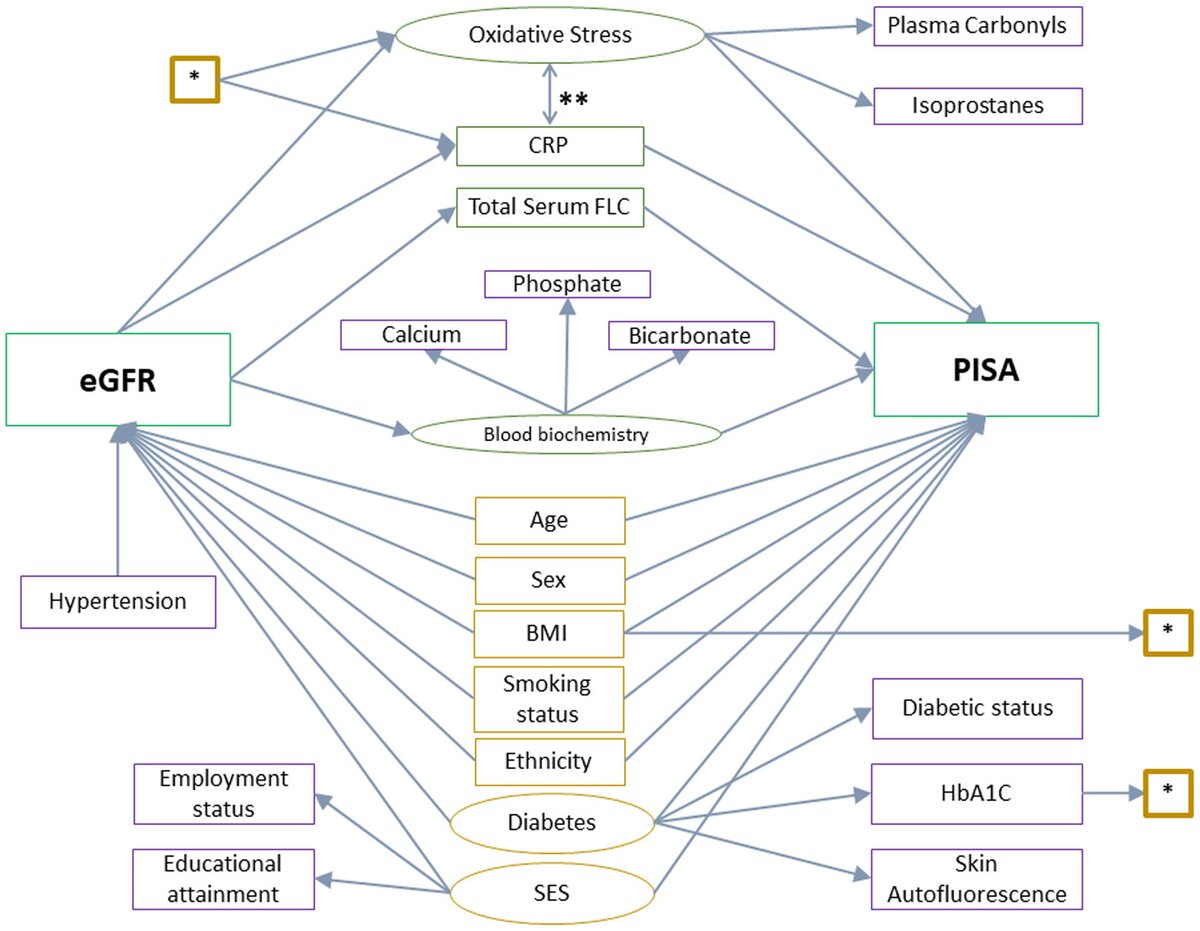
In terms of the reverse direction, while there is less research, we do know that kidney disease causes a lot of systemic inflammation and oxidative stress that can drive periodontal damage. For example, it has been shown that systemic inflammation in rheumatoid arthritis can cause periodontal dysbiosis in dental-plaque biofilm. The systemic oxidative stress has also been shown to be causally related to the periodontal inflamed surface area (PISA)— i.e. the more CKD, the greater the circulatory oxidative stress and the greater the PISA score, in that direction. In addition, drugs that are used to treat kidney disease—such as ciclosporins, the calcium channel blockers to control blood pressure—can cause gingival overgrowth, which in turn can cause plaque accumulation, false pocketing, and damage to periodontal tissues. In addition, some of these drugs cause a dry mouth, which can lead to more biofilm accumulation. CKD can also alter calcium levels in blood and hence saliva, and if calcium levels in saliva increase this predisposes to greater calculus formation.
Thus, the relationship between periodontal disease and kidney disease is not a simple linear one. It is more a circular relationship: one disease makes the other worse and then that disease makes the first one worse, in a circular pattern.
How can all this be explained to patients?
Kidney disease predisposes patients to a deterioration in their oral health—because of increased calculus production as a result of the dry mouth provoked by their medication. Therefore, doing more to look after their teeth and gums makes good sense.
Patients want to know what practical steps they can take that will make a difference. Overall, the advice to patients with chronic kidney disease is similar to that for other patients: careful and thorough brushing with a manual or ideally electric toothbrush (using the right brushing technique) twice a day, along with cleaning between the teeth with interdental brushes. But these recommendations are particularly important for patients with chronic kidney disease because of their greater susceptibility to periodontal disease.
The aim with all patients is behaviour change so that they are compliant with improving their oral hygiene and reducing risk factors. According to psychologists, for behaviour change to be effective the message has to be personalized, and individual patients need to know why they may be at more risk than other people. That way, they develop more self-efficacy and believe that they can improve their own health by taking certain actions (motivation to act positively). For some patients, it may be the perceived benefit to their kidneys, and therefore their blood pressure, that will encourage them to comply with oral-health recommendations.
How should periodontists treat patients with CKD?
Patients with CKD often need to take a lot of medication, and maybe receive dialysis, which has implications in terms of scheduling dental treatment and managing the risk of bleeding. Bleeding is a big concern with patients who receive haemodialysis, where they go to a centre for dialysis multiple times a week. This means they are given the anticoagulant “heparin”, which thins the blood so that it does not clot during the dialysis process. While the heparin is still in the system, patients are at greater risk of bleeding. The half-life of heparin is relatively short—it will be cleared in about 12 hours—so it would be best to perform treatment as late as possible on a day when they are not having dialysis.
With Continuous Ambulatory Peritoneal Dialysis (CAPD) at home, the patient is not heparinized, so there is not so much of a risk.
In terms of oral surgery, periodontists need to consider not only bleeding but also medications they prescribe to patients with CKD to avoid further impairing renal function. For example, while paracetamol is safe, cyclooxygenase (COX) inhibitor painkillers, such as ibuprofen, should be prescribed with caution.
What needs to be done in terms of interprofessional collaboration?
Collaboration between dentists and nephrologists is essential in the care of people with chronic kidney disease.
The ideal approach—where it is affordable—is to put the care pathways in place and focus on primordial prevention, preventing the risk factors from developing in the first place. If a renal patient is about to have a transplant, they should be referred to an oral-healthcare professional. This could really help in stopping the periodontal problems developing in the first place in terms of overgrowing gingival tissue, which can cause false/pseudo-pocketing and enhance the risk of true pocketing and periodontitis.
The other important thing is to get patients in as soon as possible and improve their oral-health literacy, explain to them in terms they will understand what periodontitis is, why they are specifically at risk of it, and its impact not only on tooth loss but also on their renal health. If this advice can be communicated early, then the patient’s oral-health outcomes will be better, and therefore their renal outcomes should be better.
But this really requires a public-health system with a joined-up approach at the primary-care level.
Where that is not possible, conversations are needed with specialist colleagues in renal medicine. One might assume that nephrologists know about the links with periodontal health, but this is frequently not the case. In these situations, the EFP consensus reports from its campaigns with family doctors, the International Diabetes Federation, and the World Heart Federation can be very useful.
We also need to have discussions with the medical teams about the drugs that are being used in the care of patients with CKD and if there are alternatives that could reduce the side effects.
The prevention algorithm
After primordial prevention—stopping the risk factors from developing before disease starts—there are four other phases of prevention:
- Primary prevention: risk factors (such as smoking, poor plaque control) are present and can be corrected before disease occurs.
- Secondary prevention: how to stop disease from returning once it has been treated.
- Tertiary prevention: how to prevent complications from the diseases, such as tooth loss, poorer diabetes control, and a systemic impact on kidney function.
- Quaternary prevention: avoiding over-treatment and over-prescription, because most drugs are metabolised by the kidneys or the liver, and all drugs have side-effects, so one can cause problems by over-prescribing.
Every single point of that prevention algorithm is relevant, and the sooner oral-health practitioners can see the patients, the better—ideally, as soon as they have been diagnosed with chronic kidney disease. However, if the first appointment happens later, we are still in a position to prevent periodontal disease if it has not yet developed. And if patients come to us and they already have periodontal disease, we can treat it and then perform secondary prevention to stop it coming back. In this way, we hope to prevent tooth loss, so that they can maintain masticatory function and good nutrition, as this is important for renal health and overall health.
Nutrition is a general term, but the literature tells us that people who wear dentures have softer diets that are high in refined and simple sugars, and sugar drives inflammation in the body through metabolic overload and also by triggering neutrophils to overreact and produce oxidative stress. This has been shown to thicken blood-vessel walls and is associated with stiffer arteries. Even people who wear partial dentures have less fibre and more refined carbohydrate in their diets than those with natural teeth, and this is also true of people with implant-retained dentures. Put simply, retaining teeth is important for better nutrition, as dietary intake is healthier with natural teeth.
Looking to the future
Although there is evidence for the bidirectional relationship between periodontitis and CKD, large-scale intervention studies are required to clarify the extent of causality in that relationship. In truth, as with periodontitis and rheumatoid arthritis, the relationship appears to be circular, and any intervention aimed at risk reduction should therefore provide benefit. Such studies could lead to new care pathways for managing each condition in relation to the other.
The University of Birmingham in the UK has recently concluded a pilot randomised controlled trial to look at the effects of intervening in a patient’s periodontal health if they have both periodontitis and CKD. We are still waiting for the results, as this is rather complicated because of the amount of data on common risk factors for periodontitis and CKD.
Other areas of investigation that are promising include the mechanisms of oral and systemic diseases, exploring how the oral microbiome affects the gut microbiome and how that in turn affects systemic diseases. Oral pathogens can colonize the gut and the lipopolysaccharide (LPS) from those bacteria can activate immune cells and cause inflammation in the kidneys. The relationship between the oral and gut microbiomes and how this affects other organs is complicated and we do not yet fully understand it.
NOTE: All graphics from Sharma P et al, Oxidative stress links periodontal inflammation and renal function. Journal of Clinical Periodontology. 2021 Mar;48(3):357-367
Bibliography
Chapple ILC. Potential mechanisms underpinning the nutritional modulation of periodontal inflammation. J Am Dent Assoc. 2009 Feb;140(2):178-84. doi: 10.14219/jada.archive.2009.0131. PMID: 19188414.
Chapple ILC, Hirschfeld J, Cockwell P, Dietrich T, Sharma P. Interplay between periodontitis and chronic kidney disease. Nat Rev Nephrol 21, 226–240 (2025). doi.org/10.1038/s41581-024-00910-5
Chapple ILC, Hirschfeld J, Kantarci A, Wilensky A, Shapira L. The role of the host-Neutrophil biology. Periodontol 2000. 2023 May 18. doi: 10.1111/prd.12490. Epub ahead of print. PMID: 37199393.
Chapple ILC, Matthews JB. The role of reactive oxygen and antioxidant species in periodontal tissue destruction. Periodontol 2000. 2007;43:160-232. doi: 10.1111/j.1600-0757.2006.00178.x. PMID: 17214840.
Chapple ILC, Milward MR, Dietrich T. The prevalence of inflammatory periodontitis is negatively associated with serum antioxidant concentrations. J Nutr. 2007 Mar;137(3):657-64. doi: 10.1093/jn/137.3.657. PMID: 17311956.
Hajishengallis G, Chavakis T. Local and systemic mechanisms linking periodontal disease and inflammatory comorbidities. Nat Rev Immunol. 2021 Jul;21(7):426-440. doi: 10.1038/s41577-020-00488-6. Epub 2021 Jan 28. PMID: 33510490; PMCID: PMC7841384.
Hajishengallis G, Chavakis T. Inflammageing and clonal haematopoiesis interplay and their impact on human disease. Nat Rev Mol Cell Biol. 2026 May;27(5):377-393. doi: 10.1038/s41580-025-00936-y. Epub 2026 Jan 6. PMID: 41491423; PMCID: PMC12795708.
Matthews JB, Wright HJ, Roberts A, Cooper PR, Chapple IL. Hyperactivity and reactivity of peripheral blood neutrophils in chronic periodontitis. Clin Exp Immunol. 2007 Feb;147(2):255-64. doi: 10.1111/j.1365-2249.2006.03276.x. PMID: 17223966; PMCID: PMC1810478.
Matthews JB, Wright HJ, Roberts A, Ling-Mountford N, Cooper PR, Chapple IL. Neutrophil hyper-responsiveness in periodontitis. J Dent Res. 2007 Aug;86(8):718-22. doi: 10.1177/154405910708600806. PMID: 17652198.
Sharma P, Cockwell P, Dietrich T, Ferro C, Ives N, Chapple ILC. Influence of Successful Periodontal Intervention in Renal Disease (INSPIRED): study protocol for a randomised controlled pilot clinical trial. Trials. 2017 Nov 13;18(1):535. doi: 10.1186/s13063-017-2236-5. PMID: 29132440; PMCID: PMC5683458.
Sharma P, Dietrich T, Ferro CJ, Cockwell P, Chapple IL. Association between periodontitis and mortality in stages 3-5 chronic kidney disease: NHANES III and linked mortality study. J Clin Periodontol. 2016 Feb;43(2):104-13. doi: 10.1111/jcpe.12502. Epub 2016 Feb 18. PMID: 26717883; PMCID: PMC5324563.
Sharma P, Fenton A, Dias IHK, Heaton B, Brown CLR, Sidhu A, Rahman M, Griffiths HR, Cockwell P, Ferro CJ, Chapple IL, Dietrich T. Oxidative stress links periodontal inflammation and renal function. J Clin Periodontol. 2021 Mar;48(3):357-367. doi: 10.1111/jcpe.13414. Epub 2021 Jan 28. PMID: 33368493; PMCID: PMC7986430.
Biographies


Iain Chapple MBE is the former Director of Research, Institute of Clinical Sciences, former Dean of the Dental School, Birmingham University UK, and former treasurer, chair of the scientific affairs committee, and secretary general of the EFP. He has authored 15 textbooks, 44 book chapters, and more than 330 papers. Awards include the Royal College of Surgeons Tomes Medal-2011, IADR Distinguished Scientist in periodontal research-2018, EFP Eminence Award-2022, MBE-2022. His research focuses on periodontal-systemic disease mechanisms and immune-microbial interactions. He is a consultant to the England’s Chief Dental Officer.
Praveen Sharma is an associate professor and honorary consultant in restorative dentistry at the University of Birmingham. He completed an NIHR-funded PhD in 2019 and has expertise in epidemiology, medical statistics, and the links between oral and systemic diseases. His clinical training spans periodontics, endodontics, and prosthodontics. Alongside complex patient care, he teaches undergraduate dental students and presents his award-winning research to national and international audiences.
EFP partners









Sign up to our newsletter
The EFP publishes a free monthly email newsletter with the latest news about the federation's activities, its publications, and its campaigns.
